


 Deutsch
 Türkçe
MLS M8 Robotic Laser Therapy is a laser application that does not require surgical intervention and is used to reduce pain originating from the musculoskeletal system and support tissue healing. The system, which combines laser beams of different wavelengths, operates on the principle of photobiomodulation.
Conditions in which MLS M8 Robotic Laser Therapy is used include lower back and neck pain, muscle spasms, tendon disorders, knee osteoarthritis, and heel spurs. The effectiveness of the application varies depending on the condition, and in some cases, it is used as a supportive treatment alongside physical therapy programs.
Regarding how MLS M8 Robotic Laser Therapy is performed, controlled laser energy is delivered to the targeted anatomical area through a robotic system. The procedure is generally painless and does not require a surgical incision or anesthesia. The session duration and frequency of application are determined according to the patient’s clinical evaluation.
The recovery process following MLS M8 Robotic Laser Therapy depends on the type and severity of the condition and other treatments applied. Patients can generally return to their daily activities after the procedure. Treatment results vary from person to person; permanent tissue repair and complete recovery from all conditions cannot be guaranteed.
| Name of Treatment | MLS M8 Robotic Laser Therapy (Multiwave Locked System) |
| Medical Definition | A photobiomodulation-based treatment method involving the controlled application of laser light at different wavelengths to tissues. |
| For Which Conditions Is It Used? | It may be used as a supportive treatment for lower back and neck pain, muscle spasms, tendinitis, knee osteoarthritis, shoulder pain, plantar fasciitis, and certain sports injuries. |
| Purpose of Treatment | To reduce pain, help regulate inflammatory processes, and support tissue healing. |
| Mechanism of Action | The aim is to regulate biological responses through the interaction of laser light with cellular structures. The magnitude of the effects depends on the condition and the application protocol. |
| How the Treatment Is Performed | The robotic laser head delivers controlled beams of light to the area to be treated. No surgical incision or injection is performed during the procedure. |
| Session Duration | It can generally vary between 10–30 minutes depending on the treatment area and treatment protocol. |
| Number of Sessions | It varies depending on the type of condition and response to treatment. Multiple sessions are generally planned. |
| Anesthesia Requirement | It generally does not require anesthesia and is a painless procedure. |
| Advantages | It is performed without surgery, requires no incision, is generally well tolerated, and allows a rapid return to daily life. |
| Use in Combination With Other Treatments | It can be applied alongside exercise, physical therapy, and rehabilitation programs. The additional benefits of combining it with other interventional treatments have not been proven in every case. |
| Possible Side Effects | Temporary tenderness or discomfort may occur. Protective measures are necessary because improper use carries a risk of eye and skin damage. |
| Conditions in Which It Should Not Be Applied | It should not be applied directly to the eyes. Special safety evaluation is required in situations such as application to areas containing active tumors or to the abdominal region during pregnancy. |
| Effectiveness of Treatment | It may provide short-term pain reduction in certain musculoskeletal conditions. However, strong clinical evidence specific to the MLS M8 device is limited; it has not been conclusively demonstrated that it eliminates herniated discs or regenerates damaged cartilage. |
| Overall Conclusion | MLS M8 Robotic Laser Therapy is a non-surgical method that can be used to support pain control in certain musculoskeletal disorders. It should not be considered a definitive treatment on its own. |
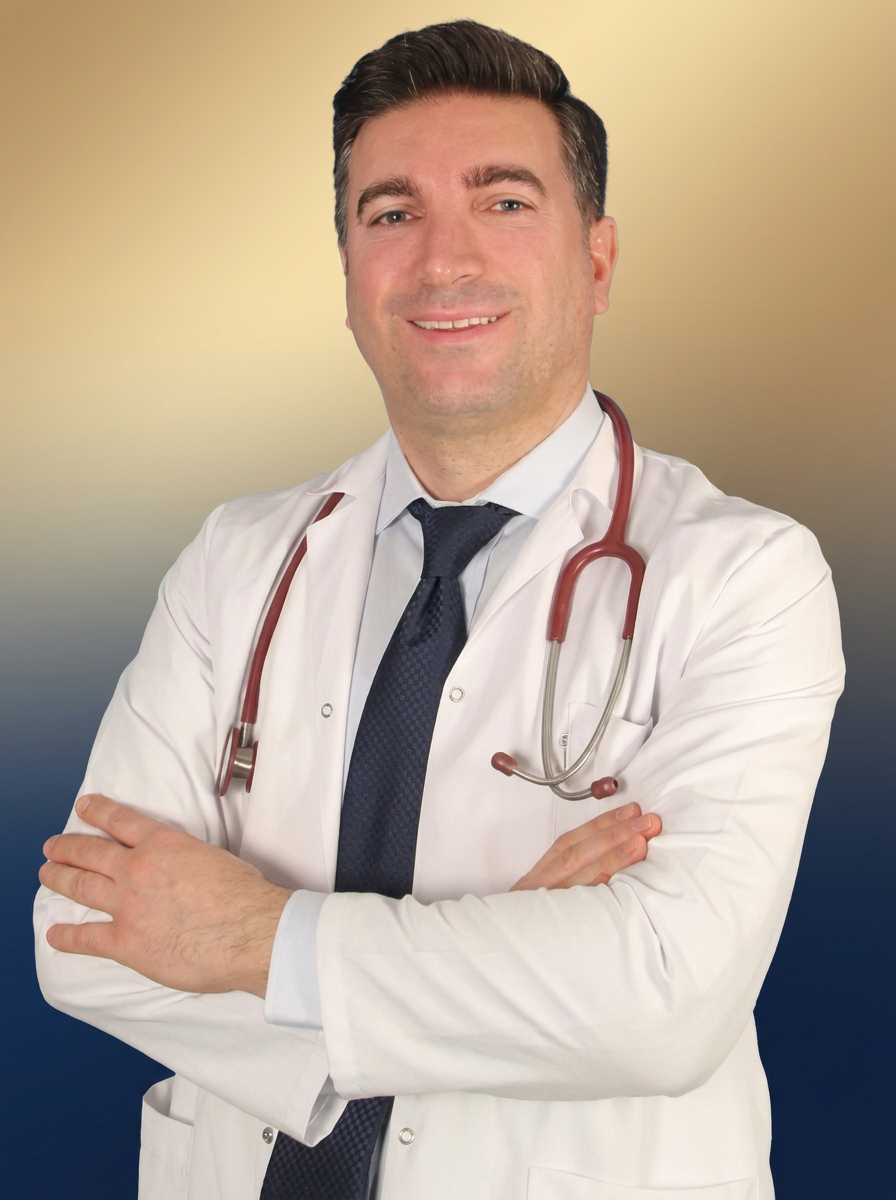
Dr. Enis Biçerer
Anesthesiology and Reanimation Specialist
Anesthesiology and Reanimation Specialist
Dr. Enis Biçerer was born in Manisa in 1978. After graduating from Gülhane Military Medical Academy, he completed his specialization training in Anesthesiology and Reanimation at GATA Haydarpaşa Training and Research Hospital.Dr. Biçerer, who has carried out significant studies on pain treatments after receiving training in Prolotherapy and Neural Therapy, has also specialized in ozone therapy and conducted experimental studies in this field.
How Does MLS M8 Robotic Laser Therapy Initiate the Healing Process in Our Body?

When it comes to chronic pain, neck stiffness, lower back problems lasting for months, or joint osteoarthritis, the first options that generally come to mind are taking strong painkillers or going straight to the operating table. However, at the current stage of modern medicine and pain science, it has become much clearer just how great the human body’s capacity for self-repair actually is. When properly guided and supplied with the cellular energy it needs, the human body has the potential to recover damaged tissues to a large extent without surgery. This is where this technology comes into play, aiming to revitalize the energy-producing powerhouses of cells by taking a central role in the healing process.
The basic operating principle of this system is based on the combined interaction created by two different light wavelengths delivered to the tissues simultaneously. When any part of our body is damaged, for example, when a lumbar disc deteriorates or a knee joint wears down, severe edema and intense pain generally occur in that area. While the device aims to disperse edema and accelerate blood flow in the area through continuously emitted waves, it simultaneously helps soothe pain signals at the nerve endings through other waves delivered very rapidly and intermittently.
These beams, applied through the skin surface, can reach several centimeters beneath the skin, directly to worn ligaments, damaged tendons, and compressed nerve roots. When the beams penetrate the cells, they stimulate the mitochondria, known as the cells’ energy-producing factories. When mitochondria receive this special light energy, they begin producing the biological energy required for cellular repair at much higher levels than normal. Cells filled with energy rapidly begin synthesizing the building blocks necessary to repair damaged tissue. As blood circulation in the area increases, the oxygen and nutrients required for healing reach the damaged region much more easily. In this way, the tissue’s self-repair process is supported.
Should MLS M8 Robotic Laser Therapy Be Preferred Over Conventional Painkillers?
When pain occurs in daily life, the easiest solution is usually to swallow a painkiller or apply muscle-relaxing creams. Such conventional medications provide immediate and superficial relief by chemically blocking pain signals traveling to our brain. In other words, the underlying problem remains, but the person does not feel it temporarily. When the medication’s effect wears off and it is eliminated from the body, the pain returns with its full intensity, and this usually turns into a vicious cycle. In addition, the damaging effects that long-term, high-dose medication use may have on the stomach lining, liver function, and kidneys are very well known in the medical world.
In contrast, laser systems targeting cellular regeneration are not intended merely to mask pain. Pain is actually the body’s way of saying, “There is damage here; please pay attention to this area.” Rather than ignoring this call from the body and silencing the pain, addressing the source of the problem and repairing the tissue there is a much more reasonable approach. When laser beams initiate repair at the cellular level and the damaged tissue begins to recover, the body no longer needs to produce that pain signal.
Moreover, despite delivering high energy, this advanced technology does not cause excessive heating, burns, or irritation in the tissue, thanks to its special control mechanisms. Patients may feel only a mild and soothing warmth during the procedure. This method, which involves no incisions, carries no risk of bleeding, and does not interrupt the patient’s daily life, seeks to offer a much more natural process for managing pain, free from the risks of side effects associated with medications.
Is MLS M8 Robotic Laser Therapy Effective for Non-Surgical Treatment of Lumbar and Cervical Disc Herniations?
Lumbar and cervical disc herniations are disorders that significantly reduce quality of life and can make people unable to perform even their most basic daily tasks. When most people experience severe pain radiating into their legs or arms or see the word “herniation” on an MRI report, they become very worried and believe that surgery is the only solution. However, in current medical practice, the vast majority of herniated discs can be managed with non-surgical pain treatments if there is no progressive paralysis or neurological deficit requiring emergency surgery.
To understand this better, it is necessary to look at the structure of the spine. Our spine consists of bones stacked on top of one another and discs between these bones that act as cushions, containing a jelly-like fluid inside and covered by a tough outer layer. Due to incorrect sitting positions, heavy lifting, improper movements, or wear and tear over time, the outer layer of the disc weakens and may tear. The jelly-like substance inside protrudes through this tear and compresses the nerves extending from the spinal cord to the legs or arms. This compression creates severe chemical inflammation in the area.
Special interventional treatments performed by pain specialists aim to shrink this protruding jelly-like substance and relieve pressure on the nerve. While surgical methods generally involve cutting out and removing the protruding part and sometimes inserting metal implants, non-surgical approaches aim to reduce edema in the area and help the disc retract naturally.
At Which Stages of Lumbar and Cervical Disc Herniation Is MLS M8 Robotic Laser Therapy Used?
A herniated disc does not develop all at once; it is generally a process that progresses gradually over the years. The most important step in planning treatment is correctly identifying the stage of the herniation at that moment. The generally accepted stages of herniation progression are:
- Bulging
- Protrusion
- Extrusion
- Sequestration
In the first stage, bulging, the outer membrane of the disc has not yet torn completely but has stretched slightly outward. During this period, patients mainly experience morning stiffness in their lower back or neck. Appropriate injections and laser sessions administered at this stage may greatly help the disc regain its former firmness.
In the second stage, protrusion, the fibers of the outer membrane begin to tear partially, and the pain gradually spreads toward the hip or shoulder. At this point, laser technology is used extensively to disperse edema around the nerve root.
In the third stage, extrusion, the outer membrane has torn completely, and the material inside has begun to compress the nerve intensely. Numbness and tingling in the legs are very pronounced. While surgery was previously recommended directly to patients at this stage, today this condition can be brought under control to a large extent through special nerve blocks, injection treatments, and intensive laser combinations.
The final stage, sequestration, is when a fragment of the herniated disc breaks away from the main disc and enters the spinal canal. If the patient has not developed emergencies such as urinary incontinence or sudden loss of strength in the leg, these advanced technological repair methods may again be used before deciding on surgery to accelerate the body’s absorption of the detached fragment.
Contact us now for detailed information about treatments and to book an appointment!
How Are Ozone Applications Combined With MLS M8 Robotic Laser Therapy?
The use of medical ozone in the treatment of herniated discs and joints is a method that has been safely applied for many years in numerous developed countries and occupies a very important place in non-surgical approaches. Ozone is a highly powerful and active gas formed by the combination of three oxygen atoms. When applied to a herniated disc or around a compressed nerve by pain specialists using special methods, a very interesting process begins.
Ozone gas targets and breaks down large water-retaining protein molecules inside the disc. When these molecules break down, the disc loses its excess water and shrinks in volume, much like a sponge drying out. As the herniation that protrudes outward and compresses the nerve becomes smaller, the terrible pressure and leg pain felt by the patient usually decrease quite noticeably.
Applying laser beams to the area immediately after this intervention is an important detail that reinforces the success of the process. While ozone gas triggers healing, it may create a mild state of stimulation in the area. The powerful laser beams immediately accelerate blood circulation in that region, supporting the cleansing and repair process initiated by ozone. The intracellular pressure waves created by the laser allow inflammatory fluids remaining around the nerve root to rapidly enter the lymphatic system and be eliminated. The combination of these two powerful methods helps considerably shorten the time it takes for the patient to leave painful days behind and return to normal life.
How Are Prolotherapy and MLS M8 Robotic Laser Therapy Applied Together?
The most important structures that keep our spine, knees, shoulders, and, in short, our skeleton together and balanced are our ligaments. As a result of years of poor posture habits, excess weight gain, or minor accidents, these ligaments loosen and stretch over time. Just as a loose cable can no longer support a bridge, loosened ligaments can no longer support the joints. When the body detects this instability, it begins keeping the surrounding muscles constantly contracted to protect the joint, laying the groundwork for chronic spasms and ultimately herniated discs or osteoarthritis.
Prolotherapy is a treatment method that stimulates the body’s repair mechanisms, generally by applying a natural sugar solution to the points where these loosened ligaments attach to the bone. When this fluid is introduced into the tissue, the body recognizes that something new has occurred there and directs repair cells to the area. As a result, new and strong fibers form in that region, and the ligaments begin regaining their former firmness and strength.
Some of the main conditions in which prolotherapy may be beneficial include:
- Ligament laxity
- Tendon injuries
- Joint instability
- Sports injuries
- Heel spurs
The most important rule of prolotherapy is not to interrupt this natural repair process once it has begun. For this reason, the use of painkillers after the procedure is generally discouraged. However, robotic laser therapy, which comes into play to help the patient go through this healing period comfortably, serves as an excellent bridge. Laser beams do not stop the cellular rebuilding initiated by prolotherapy; on the contrary, they accelerate this rebuilding process by providing extra energy to the cells. At the same time, they help significantly reduce the patient’s sensitivity after the procedure by balancing transmission at the nerve endings.
How Compatible Is MLS M8 Robotic Laser Therapy With Dry Needling and Neural Therapy?
The muscles in our body contract to protect themselves due to stress, colds, excessive fatigue, or an underlying herniated disc problem. Over time, trigger points develop within these continuously contracted muscle fibers, commonly known as “muscle knots,” which feel like hard, hazelnut-sized lumps when touched with a finger. These knots are so tight that they compress the small blood vessels running through the muscle, depriving it of oxygen. The oxygen-deprived muscle contracts even further, creating a vicious cycle.
Approaches such as dry needling, also known as intramuscular stimulation, or neural therapy aim to insert very fine needles into these hard knots and cause the muscle to relax suddenly through a reflex. This mechanical release can rapidly relieve the pressure the muscle creates on the spine or joint.
However, to prevent the muscle from returning to its previous condition, its chemistry at the cellular level must also improve. Laser beams applied to the muscle immediately after needling procedures help remove waste substances such as lactic acid that have accumulated in the muscle due to oxygen deprivation. Fresh blood rushes into the area, and the muscle cell returns to its normal metabolism. Especially in patients who have a fear of needles or do not want to experience minor sensitivity after the procedure, laser application stands out as an excellent complementary element in relieving muscle spasms.
Does MLS M8 Robotic Laser Therapy Work for Knee Osteoarthritis and Meniscus Problems?
Our knees are among the joints that bear the greatest burden of our body in daily life, are exposed to the highest loads, and therefore wear out most quickly due to aging or overuse. The gradual wearing and thinning of cartilage tissue in the knee and the decrease in lubricating fluid within the joint are generally referred to as osteoarthritis. This is very often accompanied by tears in the cartilage cushions known as the menisci.
Factors that negatively affect knee health generally include:
- Advanced age
- Excess weight
- Sedentary lifestyle
- Strenuous sports
- Genetic predisposition
In the past, when cartilage had completely worn away, the only remaining option was joint replacement surgery. Today, however, injections such as PRP or CGF, obtained from the patient’s own blood and enriched with repair cells, are applied directly into the knee together with joint fluid supplements in an attempt to stop cartilage deterioration.
Following these cellular support procedures, robotic laser sessions applied to the entire knee, collateral ligaments, and joint capsule facilitate the much faster integration of these injected healing cells into the cartilage tissue. The laser’s effect of increasing blood circulation in the tissue helps reduce chronic swelling around the knee and improve joint mobility. Patients generally report after some time that the stabbing sensation they experience when going up and down stairs has decreased considerably. In this way, more extensive surgical interventions can be postponed in many cases or, in some situations, eliminated entirely from the patient’s life.
Contact us now to get detailed information about treatments and schedule an appointment!
How Is MLS M8 Robotic Laser Therapy Applied for Heel Spurs and Shoulder Pain?
The intense, sharp pain felt in the heel during the first few steps after waking up and getting out of bed in the morning, as though stepping on broken glass, generally indicates plantar fasciitis or a condition commonly known as a heel spur. It is a persistent condition that develops due to tiny tears and inflammation at the point where the thick fascia extending along the sole of the foot attaches to the heel bone. Wearing inappropriate footwear or standing for long periods further aggravates this problem. Using only soft insoles is often insufficient to resolve the underlying inflammation.
Following local treatments performed in this area by pain specialists, scanning the sole of the foot and the Achilles tendon with laser beams may produce very successful results. The laser’s photomechanical pressure waves help disperse accumulated and hardened edema in the area, supporting the plantar fascia in regaining its former flexibility. As a result of regular sessions over several weeks, a very high rate of improvement in morning pain can be expected.
A similar condition also occurs in the shoulder joint. Compression of the muscles responsible for lifting the shoulder, tendon degeneration, or frozen shoulder syndrome, in which the shoulder becomes completely immobile, are very painful conditions. When cellular injections into the shoulder capsule are supported by laser therapy for these pains that awaken patients at night, they help release adhesions within the joint. Laser beams penetrate the deepest parts of the tissue, help remove inflammatory cells from the area, and gradually restore the shoulder’s range of motion.
What Should Be Considered After Treatment and During MLS M8 Robotic Laser Therapy?
The success of these advanced technological treatments applied through non-surgical methods does not depend solely on the procedures performed in the clinical setting. How patients treat their own bodies in daily life after leaving the treatment room is the most fundamental factor determining the durability of recovery. During this period of cellular rebuilding, it is essential to support the body both internally and externally.
Some supplements recommended to support cellular repair after treatment include:
- Vitamin D
- Omega-3
- Collagen
- Vitamin C
- Magnesium
Deficiencies in these nutrients, which are particularly critical for the muscular and skeletal systems, may slow down the healing process. Patients must also pay close attention to their daily movements (biomechanics). Placing unnecessary strain on damaged tissue while it is gradually recovering may cause the process to start over. Therefore, strengthening the muscles surrounding the spine like a corset through special exercises recommended by the doctor is extremely important.
Things to avoid during the recovery period include:
- Heavy lifting
- Sudden twisting movements
- Prolonged sitting
- Smoking
Smoking is an issue that deserves particular attention. The chemicals it contains constrict the finest and smallest capillaries in our bodies. When the oxygen required for healing cannot reach the discs, cartilage, and ligaments, the chances of success decrease significantly, even if the best treatment in the world is applied. For this reason, completely avoiding smoking during this period when we expect the cells to regenerate is a major necessity.
For Whom Is MLS M8 Robotic Laser Therapy Safe, and When Is It Not Applied?
This robotic technology has an extremely safe profile when used by specialist physicians following appropriate clinical evaluations. Since it involves no surgical incision, contains no radiation, and does not leave burns or permanent tissue damage, it can be comfortably preferred for many patient groups. However, because the system has a very high concentration of light energy, certain strict safety rules apply during the procedure. For example, it is standard procedure for everyone in the treatment room to wear special protective glasses to protect their eyes from these particular beams.
There are also certain exceptional situations in which the use of this powerful cellular stimulator is not considered medically appropriate. Situations in which laser application is generally not recommended include:
- Pregnancy
- Active cancer
- Local infection
- Uncontrolled epilepsy
During pregnancy, delivering energy directly to the abdominal and lower back areas in particular is not preferred for the health of the mother and baby. Similarly, if an active tumor or cancerous tissue is present in the area planned for treatment, the system is not used in these patients because the laser’s cell-proliferating and revitalizing effects may also stimulate these malignant cells. In addition, the procedure is postponed if there is a warm, active microbial infection in the area.
Apart from these specific situations, it is a method that can be safely applied to a very broad range of patients, from elderly individuals to those with pacemakers and patients with chronic conditions such as diabetes or high blood pressure. These non-surgical pain management techniques, which do not strain the body, do not require general anesthesia, and respect the patient’s own healing capacity, demonstrate through appropriate patient selection and a holistic approach that we do not have to live with chronic pain.
Frequently Asked Questions
How Can MLS M8 Robotic Laser Therapy Work for Chronic Muscle and Joint Pain?
MLS M8 Robotic Laser Therapy may help reduce pain and support the healing process by applying controlled laser energy to tissues. It can be considered a complementary option, particularly for chronic muscle and joint problems.
For Which Orthopedic and Neurological Conditions Can MLS M8 Robotic Laser Therapy Be Used?
This treatment method can be applied for musculoskeletal pain, tendon problems, certain complaints originating from the lower back and neck, and specific soft tissue injuries. Suitability is determined after a detailed examination.
Is Pain or Discomfort Felt During MLS M8 Robotic Laser Therapy?
The treatment is generally performed painlessly and comfortably. Most patients feel only mild warmth during the procedure. Since it does not require surgical iNeural Therapyntervention, it does not significantly affect daily life.
After How Many Sessions Can MLS M8 Robotic Laser Therapy Begin to Show Its Effects?
The response to treatment may vary depending on the patient’s age, the duration of the condition, and the treatment area. While some patients experience relief after the first sessions, multiple sessions may be required for lasting results.
Can MLS M8 Robotic Laser Therapy Contribute to Recovery After Surgery?
In suitable patients, it may be used during the postoperative period to reduce pain, control edema, and support tissue healing. The treatment plan is developed according to the type of surgical procedure and the patient’s needs.
Can MLS M8 Robotic Laser Therapy Be Used Together With Physical Therapy?
MLS M8 Robotic Laser Therapy can be applied alongside physical therapy and rehabilitation programs. Combined approaches may contribute to improved mobility by supporting pain control.
Can MLS M8 Robotic Laser Therapy Be Safely Applied to Elderly Patients?
The treatment can also be applied to elderly patients after an appropriate evaluation. Although its non-surgical nature makes it a preferred option for many patients, individual health conditions must always be taken into consideration.
When Can Patients Return to Daily Life After MLS M8 Robotic Laser Therapy?
Most patients can resume their daily activities immediately after treatment. The absence of a need for prolonged rest following the procedure stands out as one of the reasons this method is preferred.
In Which Situations Might MLS M8 Robotic Laser Therapy Not Be Preferred?
Treatment may not be appropriate in certain specific health conditions or when particular medical risk factors are present. Therefore, a detailed medical evaluation before the procedure is important for safe treatment.
Can the Risk of Pain Recurrence Be Reduced After MLS M8 Robotic Laser Therapy?
Regular exercise after treatment, adopting correct posture habits, and following recommendations for the underlying condition may help maintain results. Long-term success is also influenced by lifestyle factors.