Deutsch
 Türkçe
Non-Surgical
Pain Treatments
Pain Treatments


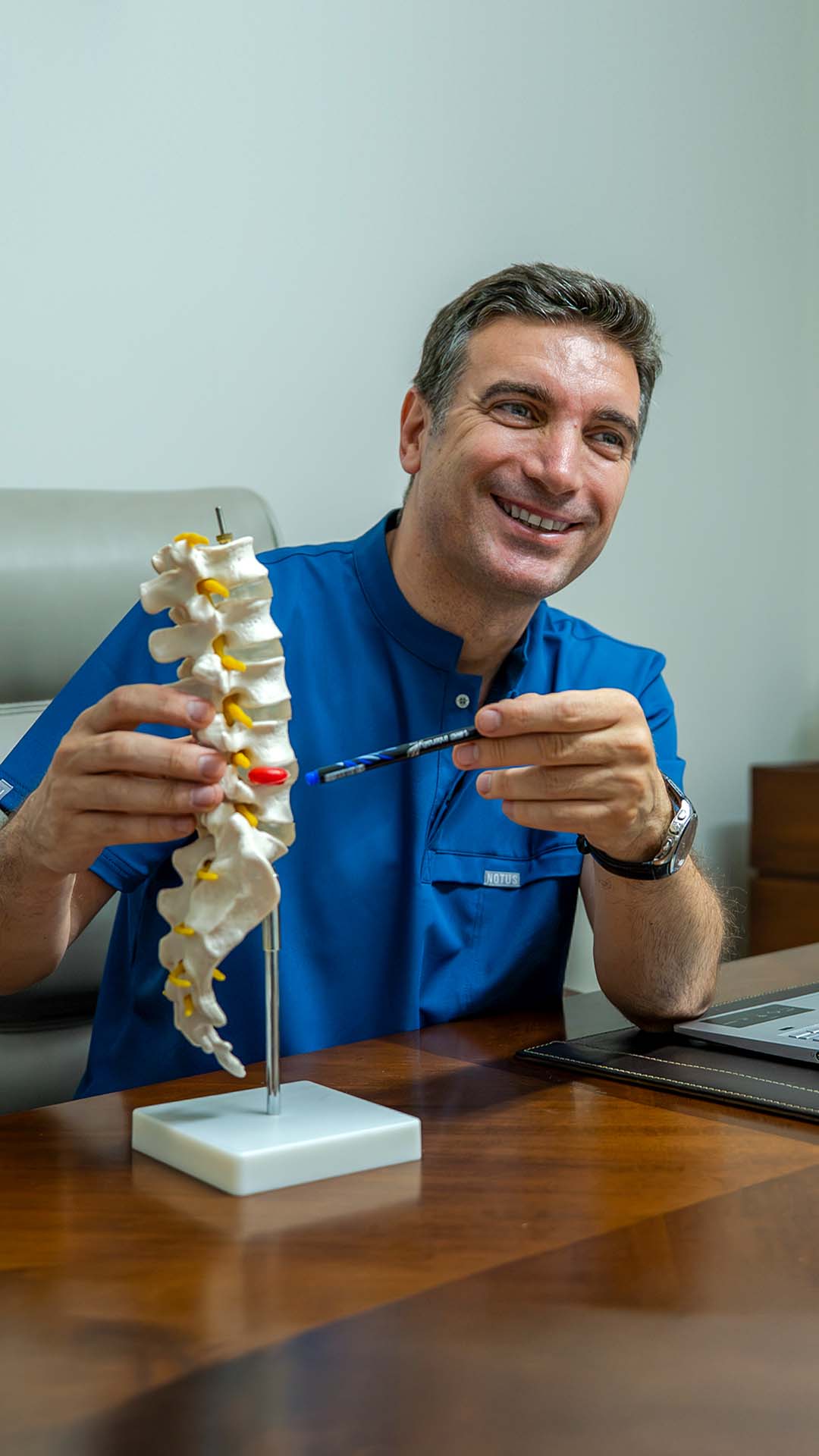
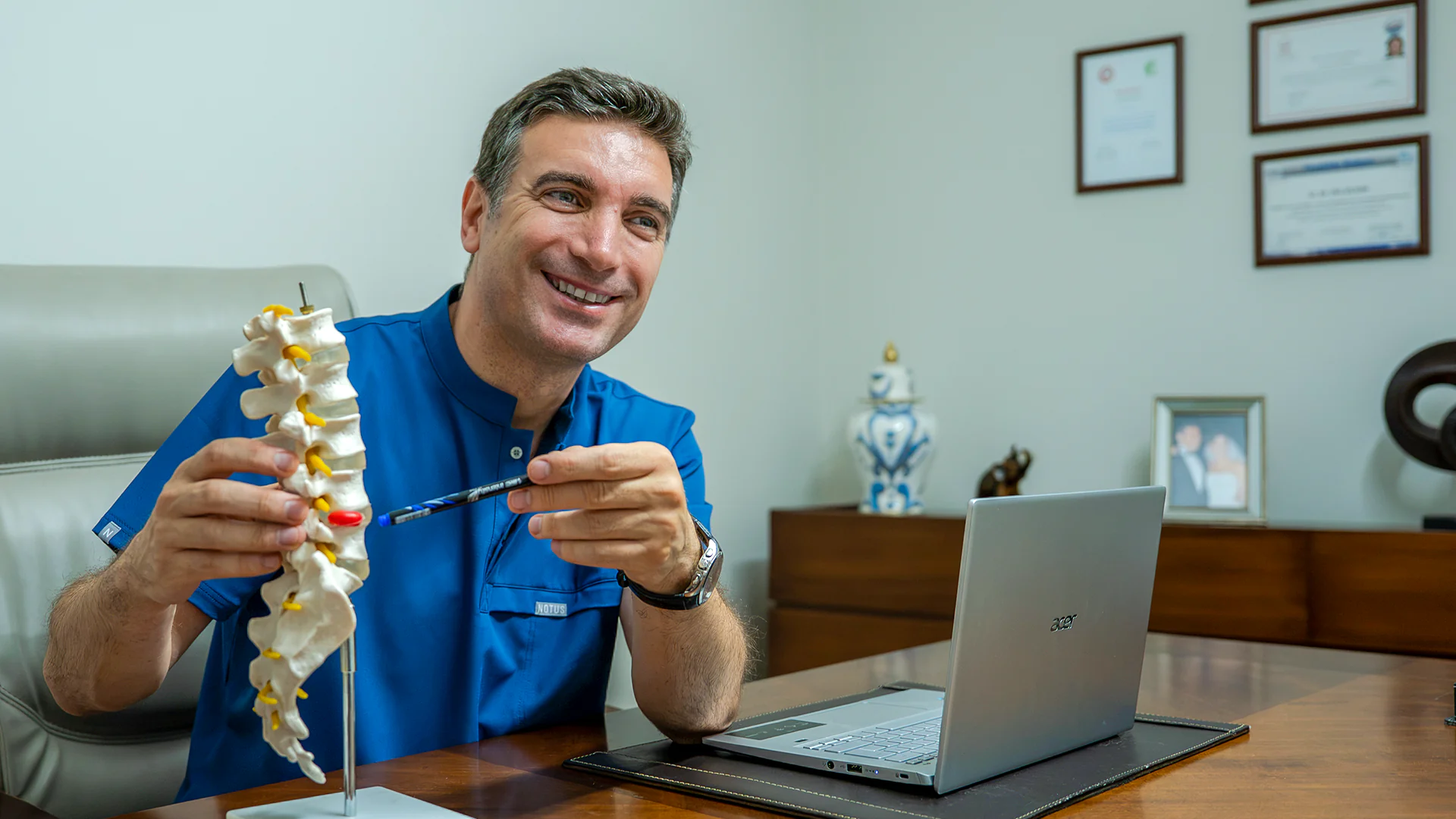
Comprehensive assessment and treatment services for neck, back, and knee pain, migraine, headaches, tailbone pain, heel spurs, and non-surgical treatment of lumbar and cervical disc herniation.
Book an Appointment Explore Our Treatments

Specialist Dr. Enis Biçerer was born in Manisa in 1978. After graduating from Gülhane Military Medical Academy, he completed his specialization training in Anesthesiology and Reanimation at GATA Haydarpaşa Training and Research Hospital.
Dr. Biçerer, who has carried out significant studies on pain management after receiving training in Prolotherapy and Neural Therapy, has also specialized in ozone therapy and conducted experimental studies in this field.
More Information
For a successful approach to pain management, the source of the pain must first be accurately assessed. Ultrasonography used during the examination helps identify the cause of pain and supports the safe planning of targeted treatment.
Non-surgical pain treatments can be applied for lumbar and cervical disc herniation, osteoarthritis, knee pain, shoulder pain, sciatica, nerve compression, trigeminal neuralgia, and various chronic pain syndromes. The treatment method is determined according to the cause and severity of the pain.
The success of treatment depends on the source and duration of the pain and the patient’s overall health condition. In many patients, it may be possible to significantly reduce or completely eliminate pain. However, in some chronic conditions, the goal is to control pain and improve quality of life.
Interventional pain treatments include nerve blocks, epidural injections, radiofrequency procedures, joint injections, trigger point injections, and various procedures performed under imaging guidance. The method to be applied is determined after the examination.
These procedures are generally performed under local anesthesia or mild sedation. The vast majority of patients do not experience significant pain during the procedure and can return to their daily lives shortly afterward.
Most non-surgical pain treatments are performed as outpatient procedures. After a short observation period following the procedure, the patient can be discharged on the same day.
The duration of the treatment’s effect may vary according to the method applied and the characteristics of the condition. While some patients experience relief lasting for months, in some cases the treatment may need to be repeated at certain intervals.
They may not be an alternative to surgery for every patient. However, in many cases, they may delay or eliminate the need for surgery. A detailed assessment is required to determine an appropriate treatment plan.
When performed under appropriate conditions by experienced specialists, the risk of complications is quite low. Side effects such as temporary numbness, tenderness at the injection site, or mild pain may occur.
The duration of treatment and number of sessions vary according to the type of condition. While some interventional procedures can be performed in a single session, some patients may require additional sessions or different treatment combinations.